 By Keira Collin
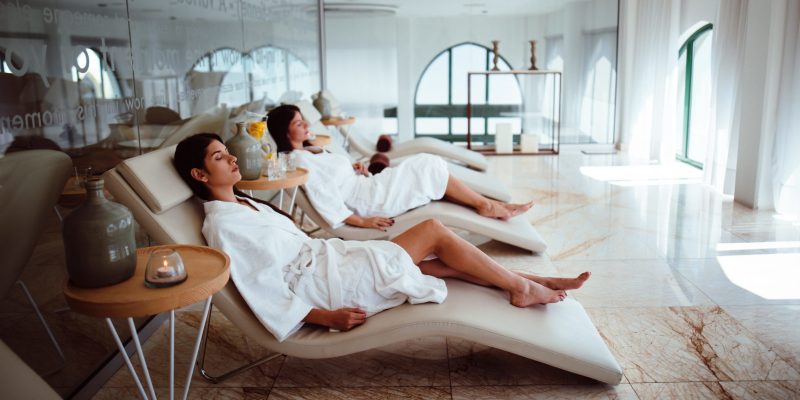
Travellers often book accommodation for location or convenience, then only later realise how much on-site wellbeing influences the way each day actually feels. People choosing a hotel with a spa in Ao Nang frequently notice that access to calm, restorative space reshapes energy levels, sleep quality, and even how adventurous they feel outside the property.
Wellness facilities create a counterbalance to movement-heavy travel. Long walks, heat exposure, unfamiliar beds, and constant sensory input slowly accumulate fatigue. Having an accessible space designed specifically for recovery changes how the body resets between activities. Instead of carrying tiredness forward, guests regain steadiness more quickly.
This recovery effect quietly expands choice. When people feel physically settled, they explore more confidently, stay out longer when desired, and remain mentally present rather than distracted by discomfort.
Recovery Becomes Part of the Daily Rhythm
Travel days rarely unfold evenly. Mornings may feel energised, afternoons sluggish, evenings socially active. Wellness facilities allow guests to regulate these fluctuations rather than simply tolerate them.

A short period of heat therapy, gentle stretching, or quiet rest often stabilises circulation and muscle tone. The nervous system shifts away from alertness and into repair mode, improving sleep quality later that night.
Instead of pushing through fatigue, people learn to respond earlier, preventing exhaustion from shaping the rest of the trip.
Emotional Regulation Through Physical Calm
Physical relaxation influences mood more than many travellers expect. When muscular tension softens and breathing slows, irritability drops and patience increases. Small inconveniences feel easier to manage. Decision-making becomes less reactive.
This emotional steadiness improves group travel dynamics as well. Families experience fewer conflicts. Couples communicate more easily. Solo travellers feel less mentally overloaded by constant navigation and stimulation.
Calm bodies support clearer minds.
Sensory Contrast Enhances Appreciation
Wellness spaces provide sensory contrast to busy external environments. Soft lighting, controlled temperature, and reduced noise recalibrate perception. When guests return outdoors, colours appear sharper, sounds feel clearer, and attention deepens.
This contrast heightens appreciation rather than dulling it. Rest becomes a lens that sharpens experience rather than removing engagement.
Encouraging Sustainable Pace Rather Than Burnout
Many travellers unintentionally mirror work habits while on holiday, long days, packed schedules, minimal recovery. Wellness access encourages more sustainable pacing without sacrificing enjoyment.
Short recovery windows maintain energy across longer stays and reduce the need for full rest days that interrupt plans.
Subtle Long-Term Behaviour Shifts
Experiencing consistent physical reset often increases awareness of posture, hydration, breathing patterns, and sleep hygiene even after travel ends. People carry small habits home without conscious effort.
The value lies not in luxury perception, but in how quietly wellbeing supports enjoyment, resilience, and presence throughout the stay. When recovery becomes integrated rather than occasional, travel feels expansive rather than depleting, allowing experience to unfold without constant physical negotiation.