
 By Keira Collin
When comparing best gym singapore choices, a long list of equipment and classes can appear to offer exceptional value. Variety can make training enjoyable, but constant access to new exercises does not automatically produce better results.
Progress depends on repeating suitable movements often enough to improve them. A gym therefore needs reliable progression options, not merely the largest possible collection of activities. The member should be able to increase load, repetitions, control or difficulty without continually replacing the exercise.
Novelty and Progression Serve Different Purposes
Novelty can renew interest and expose the body to unfamiliar tasks. It may be useful when a programme becomes mentally stale or when the person needs to develop a different physical quality.
Progression has another purpose. It allows the training stimulus to increase gradually as the person adapts.
If exercises change every session, the member spends much of the time learning setup and technique. Performance may improve because the movement becomes more familiar, but it is difficult to separate that learning effect from genuine strength or fitness development.
Repeating an exercise creates a clearer comparison. The member can observe whether more repetitions, better control or a heavier load have become possible.
Variety should therefore support the programme. It should not replace the programme.
Too Much Variety Makes Progress Hard to Measure
A person might complete a different chest exercise during every visit. The muscles receive work, but there is no consistent reference point.
One week includes a machine press, the next uses dumbbells, and the third uses cables. Each movement has a different stability demand and resistance profile. Comparing the numbers across them provides limited information.
A more structured approach keeps one or two main pressing exercises for a defined period. Smaller variations can be added around them.
This allows the member to retain variety without losing measurement. The programme has stable anchors and flexible supporting work.
Reliable Progression Requires Appropriate Increments
Equipment should allow manageable changes in difficulty. Large jumps in machine weight or missing dumbbell sizes can make progression awkward.
Suppose a member can complete the planned repetitions with one resistance setting but cannot maintain technique at the next setting. The programme needs another way forward.
Possible options include adding repetitions within a defined range, slowing part of the movement or adding a set. These methods can help, but suitable equipment increments make the process simpler.
A well-equipped gym provides several routes for progression:
- Gradual resistance increases
- Adjustable exercise positions
- Multiple repetition ranges
- Stable and less stable variations
- Equipment suitable for different experience levels
The objective is not endless complexity. It is the ability to keep an effective movement challenging.
Exercise Selection Should Remain Stable Long Enough
There is no universal period for keeping an exercise. A movement should remain in the programme long enough for the person to learn it, train it productively and evaluate progress.
Changing may be appropriate when the exercise causes unresolved discomfort, no longer fits the goal or cannot be progressed with available equipment. A change may also be useful after a planned training phase.
Boredom alone should be interpreted carefully. Some repetition is necessary for skill and measurement. Training does not need to feel completely different every day to remain effective.
Small adjustments can provide freshness without replacing the central movement. Grip, repetition range or supporting exercises may change while the main exercise stays consistent.
Variety Can Hide Poor Programme Design
A session containing many different exercises can feel comprehensive. However, the number of movements does not show whether the programme is balanced.
A member may perform several machines for the same muscle group while neglecting another important movement pattern. The session feels varied because the equipment changes, but the training stimulus remains repetitive.
Variety can also disguise a lack of progression. New exercises create soreness and difficulty, which may feel like evidence of improvement. In reality, the body is repeatedly responding to unfamiliarity.
A well-designed programme can look relatively simple. It covers the necessary movements, applies an appropriate workload and creates a clear route forward.
Classes Need Progression as Well as Choice
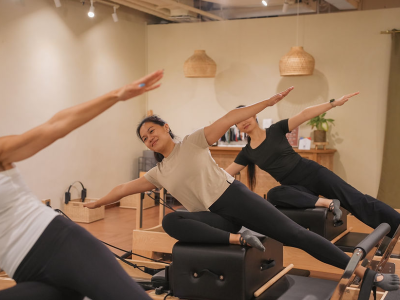
Group-class variety is valuable because members can choose formats that suit their goals and preferences. Problems arise when the weekly schedule becomes a random collection of demanding sessions.
Attending strength, cycling, HIIT and dance classes without considering overlap can create repeated fatigue. The names differ, but several sessions may challenge the same muscles or energy systems.
Members should consider what each class contributes. A weekly schedule may include cardiovascular work, resistance training and mobility, but these components should complement one another.
Progression within classes may be less obvious than adding weight to a machine. Members can still monitor improved movement quality, better pacing, greater resistance or more controlled use of advanced options.
Variety Is Valuable When It Solves a Problem
Exercise variation becomes useful when there is a clear reason for it.
A member may require a different machine because the preferred station is unavailable. Another variation may better suit the person’s body proportions or provide a useful stimulus after progress has slowed.
Variety can also manage fatigue. A stable machine exercise may replace a more demanding free-weight movement during a difficult week.
These are purposeful changes. They preserve the programme’s objective while responding to practical conditions.
Random variation asks, “What have I not done recently?” Purposeful variation asks, “What does the programme need now?”
Equipment Duplication Supports Progression
Reliable access is part of reliable progression. If a member can use the planned equipment only during quiet hours, tracking performance becomes difficult.
A gym with duplicate popular machines or several close alternatives gives members a better chance of repeating their programme. Consistency is easier when the equipment remains available during normal visiting times.
Maintenance matters too. A machine that is frequently unavailable cannot serve as a stable progression tool, regardless of its quality when operational.
Potential members should therefore examine not only variety but repeatability. Can the same key exercises be performed week after week without excessive waiting?
Build a Stable Core With Flexible Edges
A practical programme may keep several core exercises consistent while allowing supporting movements to rotate.
For example, the main lower-body press, horizontal push and pulling exercise may remain stable. Smaller arm, shoulder or trunk exercises can change occasionally.
This structure preserves measurement while preventing the programme from becoming excessively rigid.
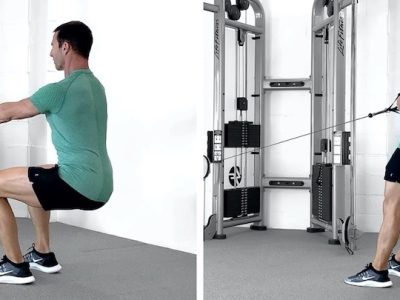
At True Fitness Singapore, members can combine gym equipment with different class formats. The most effective use of that variety is to select options that support a coherent weekly plan rather than trying to experience every activity simultaneously.
Progress Should Guide Variety
A large exercise library is useful, but members do not need to use the entire library at once. Results come from selecting suitable movements, practising them and increasing the challenge gradually.
Variety can maintain interest and provide alternatives. Reliable progression shows whether training is actually moving forward.
When evaluating a gym, members should ask whether the facility allows them to repeat and progress important exercises under realistic conditions. A smaller set of dependable options can be more valuable than endless novelty without a measurable path.