
 By Keira Collin
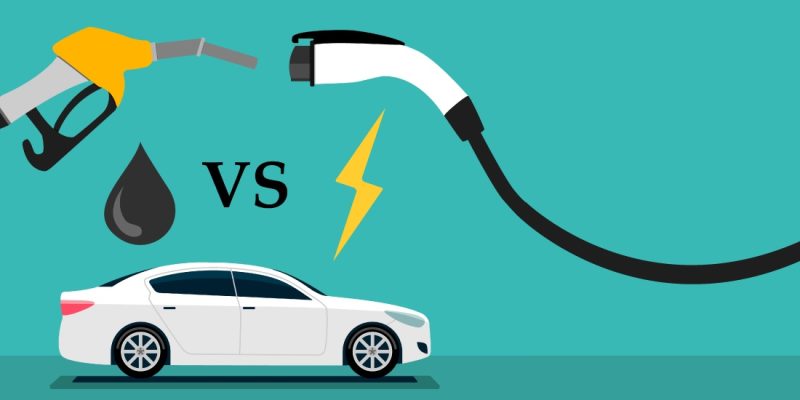
As the world transitions toward cleaner and more efficient transportation, the debate over electric cars vs. hybrid cars continues to gain momentum. With the automotive industry rapidly evolving, consumers today are faced with crucial choices that influence not only their personal convenience but also their environmental footprint and long-term financial outcomes. Understanding the nuances between these two vehicle types is essential to determine which one truly delivers the better balance of cost, performance, and sustainability.
Understanding the Basics
Before diving into comparisons, it’s important to understand what sets these vehicles apart.
Electric Cars (EVs): These vehicles run solely on electricity stored in a battery. They use electric motors for propulsion and require charging via home stations or public charging networks. EVs produce zero tailpipe emissions, making them a cleaner alternative to traditional gas-powered cars.
Hybrid Cars (HEVs or PHEVs): Hybrids combine a conventional internal combustion engine with an electric motor. Traditional hybrids recharge their batteries through regenerative braking and the engine itself, while plug-in hybrids (PHEVs) can also be charged via an outlet. They can run on electric power alone for short distances but rely on gasoline for extended driving.
Both options are designed to reduce fuel consumption and emissions, but they achieve this in different ways. The key lies in understanding how each performs under real-world conditions.
Energy Efficiency and Environmental Impact
One of the most important considerations in this comparison is energy efficiency and sustainability.
Electric Cars: True Zero Emission Driving
Electric vehicles have the upper hand when it comes to emissions reduction. Since EVs operate entirely on electricity, they produce zero tailpipe emissions, helping reduce air pollution and greenhouse gases. The total environmental impact, however, depends on how the electricity used for charging is generated. In regions powered by renewable energy sources, EVs offer near-total sustainability.
Modern EVs also utilize regenerative braking systems that recapture kinetic energy, further improving efficiency. On average, electric cars convert over 85% of their electrical energy into motion, compared to about 30% for gasoline-powered engines.
Hybrid Cars: A Transitional Solution
Hybrids bridge the gap between gas and electric technology. They emit fewer pollutants than conventional vehicles but are not entirely emission-free. While they improve fuel efficiency significantly, they still rely partly on fossil fuels.
However, for areas with limited charging infrastructure or for drivers who often take long trips, hybrids can be a more practical option. Plug-in hybrids, in particular, allow short commutes on electric power before switching to gasoline for longer distances.
Verdict: In terms of pure environmental impact, electric cars are the clear winners, but hybrids remain a pragmatic choice for drivers transitioning toward full electrification.
Cost Analysis: Purchase Price, Maintenance, and Long-Term Savings
While both electric and hybrid cars promise reduced running costs, the financial equation isn’t always straightforward.
Initial Purchase Price
Electric cars typically have higher upfront costs due to the expense of lithium-ion batteries. However, prices are steadily decreasing as technology advances. Many countries, including the United States, offer federal and state tax incentives to offset the cost of EV purchases, making them increasingly competitive.
Hybrids, by contrast, often come with lower sticker prices, especially for non-plug-in models. For budget-conscious consumers, hybrids may represent a more accessible entry point into eco-friendly driving.
Maintenance Costs
EVs shine in this area. With no oil changes, spark plugs, or exhaust systems, maintenance requirements are minimal. The electric motor and battery system have fewer moving parts than internal combustion engines, reducing long-term service needs.
Hybrids still require engine maintenance, but their smaller engines experience less wear due to electric motor assistance. However, maintaining both an electric and a gas system can sometimes increase complexity.
Fuel and Energy Costs
Electric cars cost significantly less per mile to operate. Charging an EV is typically cheaper than refueling with gasoline, especially when done at home during off-peak electricity hours.
Hybrids, while more fuel-efficient than standard cars, still depend on gasoline. Plug-in hybrids can cut fuel costs drastically if drivers primarily use electric mode for daily commuting.
Verdict: Although hybrids may have lower initial costs, EVs usually offer greater long-term savings due to reduced maintenance and energy costs.
Range and Charging Convenience
Range anxiety remains one of the top concerns for potential EV buyers.
Electric Cars: Expanding Range Capabilities
Early EVs struggled with limited driving ranges, often below 100 miles. However, modern models now easily exceed 250–400 miles on a single charge. Brands have invested heavily in improving battery density and charging speeds. Fast-charging stations can replenish 80% of a battery in as little as 30 minutes.
Still, charging infrastructure varies by region, and home charging requires access to a dedicated outlet or wall unit. For urban dwellers or apartment residents, this can pose challenges.
Hybrid Cars: Flexibility and Convenience
Hybrids eliminate range anxiety completely. Since they can switch to gasoline once the battery depletes, drivers can refuel in minutes at any gas station. Plug-in hybrids extend the benefits of electric driving for daily commutes while retaining the flexibility of a traditional car for long trips.
Verdict: For convenience and flexibility, hybrids lead the way. But as charging infrastructure expands, EVs are quickly closing this gap.
Performance and Driving Experience
Performance is another factor that influences driver satisfaction.
Electric Cars: Instant Torque and Smooth Acceleration
One of the standout features of EVs is their instant torque delivery. Electric motors provide seamless acceleration with no gear shifting, creating a quiet and responsive driving experience. Many EVs outperform their gasoline counterparts in acceleration tests, offering both efficiency and excitement.
Additionally, the low center of gravity due to battery placement enhances stability and handling. Drivers often describe the ride as smoother, quieter, and more refined.
Hybrid Cars: Balanced but Conventional
Hybrids provide a familiar driving feel with gradual acceleration. While efficient, the experience can sometimes feel less engaging than fully electric models. Plug-in hybrids offer a middle ground, delivering an electric driving experience for short trips before switching to gasoline when needed.
Verdict: Electric cars take the lead in performance, offering faster response times and a more enjoyable ride.
Environmental Considerations Beyond Emissions
The debate doesn’t end at tailpipe emissions. The manufacturing process and end-of-life battery disposal also play crucial roles in assessing environmental impact.
Electric vehicles require large batteries that depend on materials like lithium, cobalt, and nickel. Mining these minerals raises environmental and ethical concerns. However, advances in battery recycling and new technology are addressing these issues. Many automakers now design batteries that can be reused for energy storage or repurposed for secondary applications.
Hybrid cars, though requiring smaller batteries, still depend on gasoline, leading to lifetime carbon emissions that are higher than pure EVs.
Verdict: While both have environmental costs during production, electric cars offer a cleaner long-term footprint, especially as battery recycling and renewable energy use expand.
Infrastructure and Future Outlook
The future of mobility is clearly leaning toward electrification. Governments worldwide are investing heavily in charging infrastructure, renewable energy grids, and clean transport incentives. In the United States, thousands of new public charging stations are being built annually, making EV ownership increasingly practical.
Hybrid vehicles, while important in the transitional phase, may face eventual decline as electric technology becomes more accessible and efficient. Manufacturers are already prioritizing full electric platforms over hybrid systems for future vehicle designs.
Verdict: Electric cars hold the stronger long-term advantage, as global momentum shifts toward sustainable and fully electrified transportation systems.
Ownership Experience and Resale Value
Resale value plays a key role in the total cost of ownership. Early-generation EVs depreciated quickly due to limited battery life and fast-paced technological advancements. However, as modern batteries last longer and technology stabilizes, EV resale values are improving.
Hybrids have historically maintained good resale value thanks to proven reliability and widespread consumer familiarity. Plug-in hybrids, depending on range and performance, fall somewhere in between.
Verdict: Currently, hybrids have a slight advantage in resale reliability, but EVs are catching up rapidly as they gain mainstream trust and better longevity.
FAQs
Q1: How long do electric car batteries last?
Most EV batteries are designed to last between 8 to 15 years, depending on usage and climate. Manufacturers often provide warranties for at least 8 years or 100,000 miles, ensuring peace of mind for owners.
Q2: Can I charge an electric car at home?
Yes. Installing a home charging station allows convenient overnight charging. Level 2 chargers can fully charge most EVs within 6–10 hours, making it easy to start each day with a full battery.
Q3: Do hybrid cars need special maintenance?
Not particularly. While hybrids have additional components, such as the electric motor and battery, most maintenance follows standard vehicle schedules. The engine often experiences less wear, potentially extending its lifespan.
Q4: Are electric cars suitable for long-distance travel?
Modern EVs with extended ranges can easily handle long trips, especially with the growing network of fast-charging stations along highways. However, trip planning is recommended to ensure charging availability.
Q5: Which option is better for city driving?
Electric cars excel in urban environments where short distances and stop-and-go traffic dominate. Their regenerative braking improves efficiency, and home charging eliminates the need for gas stations.
Ultimately, when evaluating electric cars vs. hybrid cars, the answer depends on your driving habits, budget, and access to charging. Electric cars represent the future of transportation, offering unparalleled efficiency and sustainability, while hybrids remain an ideal transitional choice for those seeking flexibility today.