 By Keira Collin
Photography at the professional level demands more than creativity and an eye for composition. It requires precision tools that allow artists to execute their vision under any conditions. The right equipment not only improves image quality but also enhances efficiency, adaptability, and reliability on set or in the field. Whether you’re shooting fashion editorials, weddings, landscapes, or commercial campaigns, understanding the essential gear for professional photographers is critical to maintaining a competitive edge in the industry.
Professional Camera Bodies
The foundation of every professional photographer’s kit is a dependable camera body capable of handling diverse environments, lighting conditions, and client demands.
Full-Frame Cameras
Full-frame sensors capture more light and detail, producing superior image quality, dynamic range, and low-light performance. These cameras are essential for professionals who require uncompromised image fidelity and versatility.
Advantages of full-frame cameras include:
- Enhanced control over depth of field for portrait work.
- Greater resolution and dynamic range for post-processing flexibility.
- Superior noise control for night or event photography.
Full-frame systems also provide wider field-of-view capabilities, making them ideal for architectural and landscape photographers.
Medium Format Cameras
For commercial, product, or high-end editorial photographers, medium format cameras deliver unmatched image clarity and tonal precision. These systems use larger sensors, producing extraordinary resolution that supports billboard-sized prints or magazine spreads.
Although bulkier and costlier, medium format cameras excel when image perfection outweighs portability.
Backup Camera Bodies
Every professional must carry at least one backup body. Equipment failure during a shoot can be catastrophic, especially in client-driven scenarios like weddings or corporate assignments. Backup cameras ensure uninterrupted workflow and peace of mind.
Professional Lenses
Lenses define a photographer’s creative voice. They shape perspective, depth, and subject isolation. A balanced lens collection allows professionals to capture everything from expansive landscapes to intimate portraits.
Prime Lenses
Prime lenses have fixed focal lengths and are prized for their sharpness, wide apertures, and consistent optical performance.
Popular choices include:
- 35mm f/1.4: Excellent for storytelling and environmental portraits.
- 50mm f/1.2 or f/1.4: Known as the “nifty fifty,” this versatile focal length mimics human vision and works in nearly all genres.
- 85mm f/1.4: Ideal for portraits, producing flattering compression and creamy bokeh.
Prime lenses encourage creative discipline by forcing photographers to move and compose deliberately.
Zoom Lenses
Zooms provide flexibility for fast-paced environments like sports, wildlife, or event photography. Professional-grade zooms maintain constant aperture throughout their range and are built for durability.
Key options include:
- 24–70mm f/2.8: The workhorse lens for most professionals. Perfect for weddings, portraits, and travel.
- 70–200mm f/2.8: A staple for fashion, sports, and stage photography.
- 16–35mm f/2.8: Excellent for architectural and landscape scenes.
High-end zooms combine reliability with optical quality that rivals primes.
Tripods and Stabilization Tools
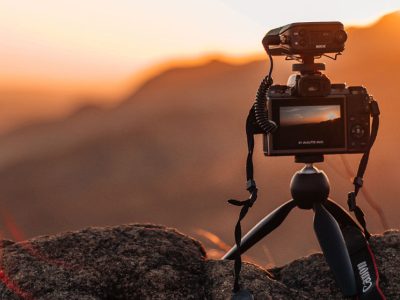
Sharpness and stability define professional results, especially for long exposures, landscapes, or studio work. A sturdy tripod is non-negotiable for consistent precision.
Choosing the Right Tripod
- Carbon fiber tripods: Lightweight yet stable for travel and outdoor photography.
- Aluminum tripods: More affordable and durable, suitable for studio setups.
- Ball heads or gimbal heads: Offer smooth adjustments for dynamic compositions or video capture.
For product or macro photographers, use geared heads for fine-tuned positioning and framing accuracy.
Additional Stabilization Tools
- Monopods: Useful for sports or wildlife photographers who need mobility.
- Gimbals: Essential for hybrid shooters producing both stills and video.
- Bean bags or clamps: Effective for low-angle or vehicle-mounted stabilization.
Lighting Equipment
Natural light is powerful, but professional photography often demands precise, controllable lighting setups. Mastery of lighting gear separates amateurs from seasoned experts.
On-Camera and Off-Camera Flash
External flashes, or speedlights, provide portable power for on-location shoots. Off-camera flash setups expand creative control by allowing directional lighting and sculpted shadows.
Studio Strobes and Continuous Lighting
For portrait and commercial work, strobes deliver consistent, powerful output ideal for freezing motion or balancing ambient light. Continuous LED lights are increasingly favored for hybrid photo-video workflows, offering accurate color rendering and dimmable output.
Essential light modifiers include:
- Softboxes and octaboxes: Create soft, diffused light for flattering skin tones.
- Umbrellas: Portable and quick to deploy.
- Beauty dishes: Produce crisp, dimensional highlights for fashion portraits.
- Grids and gels: Control spill and add creative color effects.
Light Meters and Triggers
Light meters ensure accurate exposure, especially in complex multi-light setups. Wireless triggers synchronize flashes and strobes, offering full control over power and timing.
Reflectors and Diffusers
Reflectors and diffusers help shape natural or artificial light without adding new sources. They’re lightweight, affordable, and indispensable in professional setups.
Types of reflectors:
- White: Produces soft, neutral bounce.
- Silver: Increases contrast and brightness.
- Gold: Adds warmth and rich skin tones.
- Black: Reduces unwanted reflections or light spill.
Diffusers soften harsh sunlight or flash output. For outdoor portraits, they help achieve studio-quality lighting in unpredictable conditions.
Camera Accessories and Filters
Small accessories often make the biggest difference in workflow efficiency and image quality.
Filters
- UV filters: Protect the lens front element from scratches and debris.
- Circular polarizers: Enhance skies, reduce reflections, and deepen colors.
- Neutral density (ND) filters: Control exposure for long exposures or wide apertures in bright conditions.
- Graduated ND filters: Balance exposure between bright skies and darker landscapes.
Professional photographers often use filter systems compatible with multiple lenses, ensuring versatility without compromising optical quality.
Essential Accessories
- Remote shutter releases: Prevent camera shake for long exposures or time-lapse photography.
- Extra batteries and chargers: Critical for all-day events and travel.
- High-speed memory cards: Ensure fast buffering and secure storage for RAW files.
- Weather covers: Protect gear in rain, dust, or snow.
A well-stocked accessory kit keeps you operational in every environment.
Computer and Editing Tools
Photography doesn’t end at the shutter click. Post-processing and file management are equally important. Professionals invest in high-performance editing setups to maintain quality control and efficiency.
Computers and Monitors
A color-accurate, calibrated monitor ensures faithful color reproduction from capture to print. Invest in displays that cover 100% sRGB or AdobeRGB color spaces.
Powerful computers with multi-core processors, ample RAM (32GB or more), and SSD storage accelerate editing and backup workflows.
Editing Software and Calibration Tools
Software such as Adobe Lightroom and Photoshop dominate professional workflows for their flexibility in color grading, retouching, and cataloging. Monitor calibration tools ensure consistent results across devices and print media.
External Storage and Backup
Professional integrity requires redundant backups. Implement the 3-2-1 rule:
- Three copies of your data
- Stored on two different media types
- With one copy stored offsite or in the cloud
Use fast external SSDs for on-location backups and larger RAID systems for studio storage.
Professional Bags and Transport Solutions
Protecting your investment is just as critical as using it. Professional photographers require bags that combine durability, functionality, and organization.
Key considerations:
- Padded dividers: Keep lenses and bodies secure.
- Weatherproofing: Protects against moisture and dust.
- Quick-access compartments: Useful for capturing fleeting moments.
- Modular design: Allows customized setups for different assignments.
Rolling cases suit studio or commercial work, while backpack systems benefit travel and adventure photographers.
Drones and Aerial Photography Tools
Aerial photography has become a valuable addition to professional portfolios. Drones equipped with high-resolution sensors and advanced stabilization systems allow unique perspectives for real estate, travel, and cinematography.
Ensure compliance with FAA drone regulations, including Part 107 certification for commercial use in the U.S. Always fly responsibly and respect privacy laws.
Maintenance and Cleaning Equipment
Keeping equipment in optimal condition preserves performance and longevity. Professional photographers carry cleaning kits to maintain lenses and sensors in the field.
Essentials include:
- Air blowers for removing dust.
- Lens cleaning cloths and solution for smudge-free optics.
- Sensor cleaning swabs for mirrorless and DSLR cameras.
- Protective covers for rain, dust, and extreme temperatures.
Regular maintenance minimizes downtime and extends gear lifespan.
Calibrated Printing and Delivery Equipment
For professionals delivering physical products, a color-managed printing setup ensures consistency between digital files and printed output. High-quality printers, archival papers, and ICC color profiles help maintain client satisfaction and brand credibility.
Personal Gear and Ergonomics
Professional photography often involves long hours, physical strain, and environmental challenges. Personal comfort directly impacts performance.
Recommended items:
- Ergonomic camera straps or harness systems.
- Weather-appropriate clothing for outdoor shoots.
- Gloves designed for camera operation in cold conditions.
- Knee pads or portable stools for low-angle or long-duration shoots.
Investing in ergonomics prevents fatigue and injury, sustaining career longevity.
FAQs
Q1: How many lenses should a professional photographer own?
There is no universal number, but most professionals rely on three core lenses: a wide-angle (16–35mm), a standard zoom (24–70mm), and a telephoto (70–200mm). This combination covers nearly all shooting scenarios, from landscapes to portraits.
Q2: Should professionals use crop-sensor cameras?
Crop-sensor cameras can be useful for sports, wildlife, and travel due to extended reach and lighter bodies. However, full-frame systems remain preferred for their superior image quality and low-light capability.
Q3: How do professionals ensure equipment security on location?
Invest in insurance for all major gear, use GPS trackers in cases, and maintain a detailed inventory. For travel, secure TSA-approved locks and avoid leaving equipment unattended.
Q4: What’s the most overlooked accessory in a professional kit?
A reliable color calibration tool is often overlooked. Without proper calibration, editing can lead to inaccurate tones and prints that differ from digital previews.
Q5: How often should professional photographers upgrade gear?
Upgrade based on need, not trends. Replace equipment when it limits your creative or commercial output. Many professionals follow a 4–6 year upgrade cycle for camera bodies while keeping lenses longer due to their longevity and value retention.
The path to mastering photography is built on precision, preparation, and adaptability. Investing in essential gear for professional photographers provides the technical foundation that supports artistry. Every tool, from lens to tripod, plays a role in translating creative vision into powerful imagery that stands the test of time.